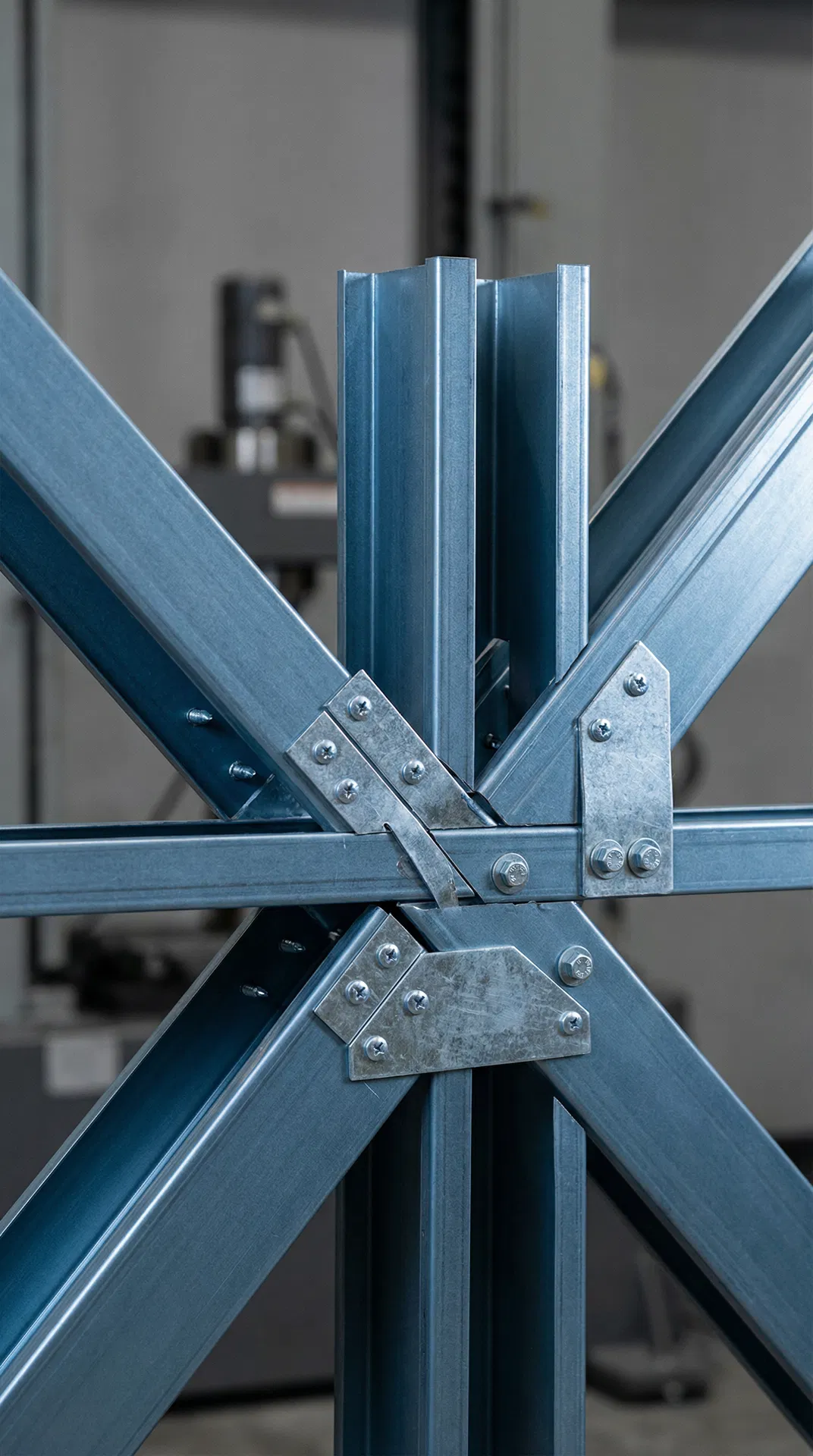
The Benefits of Cold-Formed Steel in Modern Construction
Cold-formed steel (CFS) framing systems have emerged as a transformative force in modern construction, offering advantages that traditional building methods struggle to match. As the construction industry continues to evolve, understanding these benefits becomes crucial for architects, engineers, and developers seeking efficient, sustainable, and cost-effective solutions.
Accelerated Construction Timelines
One of the most compelling advantages of cold-formed steel framing [blocked] is the dramatic reduction in construction time. Steel components are precision-manufactured off-site to exact specifications, arriving ready for immediate installation. This eliminates the delays associated with on-site fabrication and material curing times required by concrete or masonry construction.
Projects utilizing CFS systems typically experience 30-40% faster completion compared to traditional methods. This acceleration translates directly to earlier occupancy, faster return on investment, and reduced financing costs during construction. According to the Steel Framing Industry Association, prefabricated steel systems can reduce overall project schedules by up to six months on large commercial developments.
Superior Structural Performance
Cold-formed steel offers an exceptional strength-to-weight ratio that enables lighter overall building structures without compromising structural integrity. This characteristic provides several downstream benefits that make it ideal for commercial and industrial construction projects [blocked].
The reduced structural weight decreases demands on foundations, often allowing for simpler and less expensive foundation systems. In retrofit and renovation projects, CFS enables adding additional floors to existing structures where traditional materials would exceed load-bearing capacity.
Steel's inherent properties also provide superior performance in seismic zones and high-wind areas. The material's ductility and consistent quality ensure predictable behavior under extreme loading conditions, enhancing occupant safety and meeting stringent building code requirements established by the American Institute of Steel Construction (AISC).
Design Flexibility and Precision
Modern steel framing systems [blocked] offer architects unprecedented design freedom. Long-span capabilities reduce or eliminate the need for interior load-bearing walls, creating open floor plans that can be easily reconfigured as tenant needs change. This flexibility adds long-term value to commercial properties by accommodating evolving space requirements without major structural modifications.
The precision of computer-controlled manufacturing ensures components fit together exactly as designed, eliminating the tolerance issues and field adjustments common with other materials. This precision extends to the integration of building systems, as openings for mechanical, electrical, and plumbing components can be pre-engineered into steel members.
Sustainability and Environmental Impact
Steel is one of the most recycled materials globally, with structural steel containing significant recycled content and being fully recyclable at the end of a building's life. This closed-loop recyclability reduces environmental impact and supports sustainable building practices recognized by LEED certification programs.
CFS construction generates minimal waste compared to traditional methods. Off-site fabrication allows for precise material optimization and scrap recycling, while on-site waste is dramatically reduced. The lightweight nature of steel also reduces transportation-related emissions and fuel consumption.
Cost Effectiveness
While initial material costs for steel may appear higher than some alternatives, the total project cost often favors CFS systems when all factors are considered. Faster construction reduces labor costs and financing expenses. Lighter structures require less expensive foundations. Reduced waste lowers disposal costs. And the long-term durability of steel minimizes maintenance and replacement expenses over the building's lifecycle.
Conclusion
Cold-formed steel framing systems represent a mature, proven technology that addresses the modern construction industry's demands for speed, quality, sustainability, and cost control. As building codes continue to evolve and project requirements become more complex, the advantages of CFS construction position it as an increasingly preferred choice for commercial and industrial applications.
For developers and design teams evaluating structural systems for upcoming projects, cold-formed steel deserves serious consideration as a solution that delivers measurable benefits across multiple performance criteria. Contact our team [blocked] to discuss how steel framing systems can benefit your next project.
Related Articles: Seismic Design Considerations [blocked] | Prefabrication Advantages [blocked]